
Introduction to the Importance of Area Rugs in Home Decor
In the realm of home décor, area rugs wield a transformative power that extends far beyond their functional use. These versatile pieces can seamlessly blend utility and aesthetics, serving as the unsung heroes of interior design. Whether your aim is to anchor a room, introduce a splash of color, or simply add warmth underfoot, an area rug can elevate the ambiance of any space.
Area rugs are more than just floor coverings; they are fundamental in defining the character and mood of a room. Their visual appeal lies in their ability to complement or contrast with existing décor, allowing homeowners to express their style without the commitment of permanent changes like paint or wallpaper. From the subtle sophistication of a monochromatic design to the vibrant impact of bold patterns, the right rug can unify disparate elements within a room, creating a cohesive look.
Moreover, these rugs serve practical purposes that enhance comfort and functionality. They protect flooring from wear and tear, provide sound insulation, and offer a soft surface for bare feet, making them ideal for spaces like living rooms, bedrooms, and even kitchens. In open floor plans, rugs can also delineate areas, providing a visual boundary that distinguishes one space from another without the need for walls.
Choosing the right area rug involves considering various factors such as size, material, and style, all of which play a crucial role in achieving the desired effect. By understanding the significance of these elements, homeowners can make informed decisions that enhance their living spaces harmoniously.
Whether you’re designing a cozy retreat or a modern oasis, the thoughtful selection of an area rug can be the key to transforming your house into a home. Engage with our collection to discover how the perfect rug can redefine your space.
Understanding Different Types of Area Rugs and Materials
When it comes to selecting the perfect area rug for your space, understanding the variety of types and materials available can make all the difference. Whether you’re aiming to create a cozy living room ambiance or looking to add a touch of elegance to your dining area, the right rug can transform your home. Let’s delve into the diverse world of area rugs and the materials they are crafted from.
Natural Fiber Rugs
Natural fiber rugs, such as those made from wool, cotton, or jute, are celebrated for their durability and natural charm. Wool rugs, in particular, offer warmth and a plush feel underfoot, making them ideal for living rooms or bedrooms. Cotton rugs, while lighter and often more affordable, provide versatility and ease of cleaning. Jute, with its earthy texture, adds an organic touch to any room but is best suited for low-traffic areas due to its less resilient nature.
Synthetic Fiber Rugs
Synthetic materials like nylon, polyester, and polypropylene are engineered for high durability and stain resistance, making them an excellent choice for high-traffic spaces such as hallways or family rooms. These rugs often mimic the look and feel of their natural counterparts while offering enhanced practicality, especially in homes with kids or pets.
Blended Fiber Rugs
Blended fiber rugs combine natural and synthetic fibers to balance aesthetics with functionality. These rugs can offer the best of both worlds, providing the softness of natural fibers with the resilience of synthetics, making them a versatile choice for various living spaces.
Choosing the right material is essential to ensuring that your area rug not only complements your decor but also meets your lifestyle needs. Consider the traffic patterns, room function, and desired feel when making your selection. Want to learn more? Explore our full product line and discover the perfect rug for every room in your home.
Choosing the Right Size and Shape for Your Room
When selecting an area rug for any room, understanding the importance of size and shape is paramount. The right dimensions can transform a mundane space into a cohesive, inviting environment. However, the wrong size or shape can disrupt the flow and balance of your décor. Here’s how to make the right choice:
Start with Room Measurements
The first step in selecting an appropriate rug is to measure your space accurately. This ensures that the rug will fit harmoniously with the room’s layout. Consider the rug as a frame for the room—it should accentuate the furniture and create a defined area without overwhelming the space. For instance, in a living room, the rug should be large enough to fit under the front legs of the sofa and chairs, creating a unified seating area.
Consider the Shape of Your Room
The shape of the rug should complement the room. Rectangular rugs are a versatile choice for most spaces, while round rugs can add a whimsical touch to square rooms or entryways. If you have an elongated room, a runner rug might be ideal.
Align with Furniture Arrangement
Furniture placement is another critical factor. A rug should tie the furniture together. For example, in a dining room, the rug should be large enough that all chairs can sit comfortably on it, even when pulled out. This ensures balance and comfort.
Use Rug Size to Define Spaces
In open-plan areas, rugs can help define different zones. A larger rug can anchor a living area, while a smaller one might delineate a reading nook. This strategic use of rugs can help maintain a sense of order and flow in multi-purpose spaces.
By carefully considering the size and shape of your rug, you can enhance both the functionality and aesthetics of your room.
Color and Pattern Selection to Match Your Room’s Aesthetic
Choosing the right area rug involves more than just selecting a piece that fits your floor. It’s about aligning your choice with the room’s overall aesthetic to create a harmonious and inviting atmosphere. The color and pattern of your rug can dramatically influence the ambiance of a space, enhancing its beauty and functionality.
Understand Your Room’s Color Palette
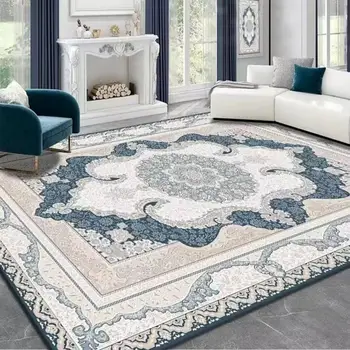
Start by evaluating the existing color palette of your room. Whether you’re dealing with a bold, vibrant living room or a serene, neutral bedroom, your rug should complement these hues. For rooms with a lot of color, consider a rug with neutral tones to balance and ground the space. Conversely, in a room with softer shades, a rug with a bold pattern or color can serve as a striking focal point.
Consider the Role of Patterns
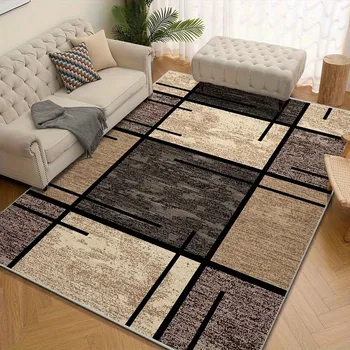
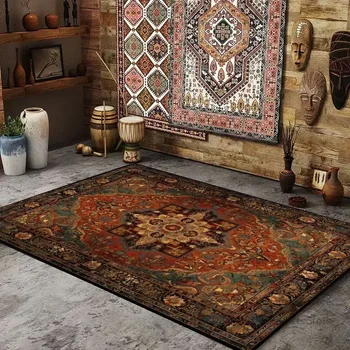
Patterns in a rug can add depth and texture to a room. If your room already has a lot of patterns, such as patterned wallpaper or furniture, opt for a simpler rug design to avoid visual overload. However, if your room is relatively plain, introducing a rug with an intricate pattern can add interest and dimension. Remember that smaller patterns can make a room feel cozy, while larger-scale patterns can open up the space.
Align with Your Personal Style
Ultimately, your choice of rug should resonate with your personal style and preferences. Whether you lean towards classic elegance, modern minimalism, or eclectic vibrancy, select a rug that reflects this. This selection not only enhances the aesthetic appeal but also fosters a space that feels personal and uniquely yours.
Integrating the right color and pattern into your rug choice not only complements your room’s aesthetic but also elevates the overall design, creating a cohesive and stylish environment. Ready to transform your space with the perfect area rug?
Functional Considerations for Area Rugs in High-Traffic Areas
When selecting an area rug for high-traffic areas such as hallways, living rooms, or entryways, functionality should take center stage. These spaces often endure significant foot traffic, making durability a key consideration. Opt for rugs constructed from hard-wearing materials like wool or nylon, which are renowned for their resilience and ability to withstand regular wear and tear. Wool, in particular, offers a balance of softness and durability, while nylon provides a cost-effective alternative without sacrificing quality.
Another crucial aspect to consider is the rug’s ease of maintenance. High-traffic areas can quickly accumulate dirt and debris, so selecting a rug that is easy to clean is essential. Look for options that feature stain-resistant properties or have a low pile height, which can deter dust and facilitate vacuuming or spot cleaning, keeping the rug looking fresh and new over time.
Practical Design Elements
Design elements also play an integral role in the functionality of area rugs in busy spaces. Rugs with patterns or darker colors can effectively camouflage minor stains or wear marks, prolonging the rug’s aesthetic appeal. Additionally, consider the rug size, ensuring it is proportionate to the space while allowing for foot traffic flow. A well-sized rug anchors the room, preventing accidents and enhancing the overall decor.
By focusing on these functional considerations, you ensure that your area rug not only adds aesthetic value but also serves its practical purpose effectively in high-traffic areas. Ultimately, the right rug choice enhances the longevity and beauty of the space, aligning with both form and function.
Want to explore more about durable area rugs? Discover our curated collection designed to withstand heavy foot traffic while complementing your home decor.


0 Comments